 Sports Injury Treatment in Salt Lake, Kolkata
 Knee, Ligament, Meniscus, Shoulder and ACL Injury Management
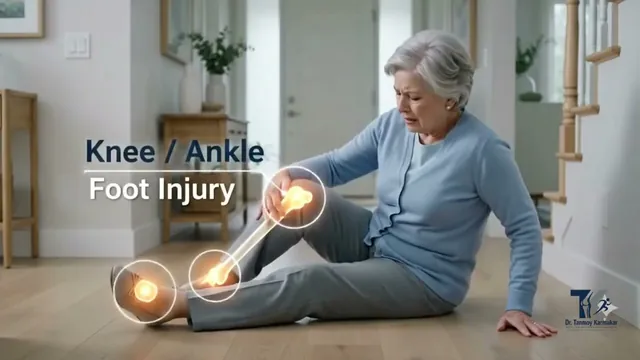
Sports injuries can affect professional athletes, recreational players, gym-goers, runners and anyone who maintains an active lifestyle. Injuries involving the knee, shoulder, ankle, ligaments, tendons, muscles or cartilage can cause pain, swelling and reduced mobility, and may prevent a return to normal activity.
Dr. Tanmoy Karmakar provides comprehensive diagnosis and treatment for sports-related orthopedic injuries in Kolkata, including ACL injuries, meniscus tears, ligament injuries, shoulder problems and cartilage damage.
What Is a Sports Injury?
A sports injury is an injury affecting bones, muscles, joints, ligaments, tendons or cartilage during exercise, training, sports or other physical activity.
Acute Sports Injuries
- ACL tears
- Ankle sprains
- Meniscus tears
- Shoulder dislocation
- Muscle tears
- Fractures
Overuse Sports Injuries
- Tendinitis
- Tennis elbow
- Runner's knee
- Shoulder impingement
- Stress injuries
When Should You Consult an Orthopedic Surgeon?
- Persistent joint pain
- Significant swelling
- Difficulty walking, running or bearing weight
- Knee instability
- Shoulder pain during lifting or overhead movement
- Reduced range of motion
- Locking or catching
- Repeated ankle sprains
- Persistent muscle or tendon pain
- Numbness or weakness after trauma
Common Sports Injuries Treated
ACL Injury
Common after sudden twisting, pivoting, landing or rapid direction changes — see ACL reconstruction surgery for more detail.
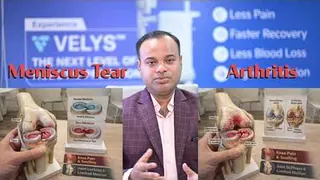
Meniscus Tear
May cause pain, swelling, clicking, locking and difficulty bending or straightening the knee — see meniscus tear treatment.
Shoulder Injuries
Includes rotator cuff injuries, instability, labral injuries and sports-related shoulder pain.
Ankle Sprain & Ligament Injury
Repeated ankle twisting can damage ligaments and lead to chronic instability.
Tendon Injuries
Repetitive movement may affect tendons around the knee, ankle, elbow and shoulder.
Cartilage Injuries
Cartilage damage may cause persistent pain, swelling or restricted movement.
Sports-Related Fractures
High-impact activities can result in fractures requiring orthopedic management and rehabilitation.
Sports Injury Treatment Options
- Rest and activity modification
- Medication when appropriate
- Physiotherapy
- Bracing
- Strengthening exercises
- Mobility training
- Sports-specific rehabilitation
- Arthroscopy or reconstruction for selected structural injuries
Sports Injury Rehabilitation
1. Reduce pain and swelling
2. Restore joint movement
3. Improve muscle strength
4. Improve balance and stability
5. Restore coordination
6. Functional exercises
7. Sports-specific training
8. Gradual return to activity
Frequently Asked Questions
Can sports injuries heal without surgery?
Yes. Many sports injuries can improve with activity modification, medication, physiotherapy and rehabilitation. Surgery is generally considered when significant structural damage or persistent instability is present.
Is MRI required for every sports injury?
No. MRI is not required for every injury. Dr. Karmakar determines whether X-ray, MRI or another investigation is necessary after clinical evaluation.