
Why Are Young Adults Experiencing Knee Pain? Top Causes and Prevention.
Why Are Young Adults Experiencing Knee Pain? Top Causes and Prevention
Knee pain is traditionally associated with aging and wear-and-tear, but an increasing number of young adults are showing up in clinics with joint discomfort. According to Dr. Tanmoy Karmakar, a leading Orthopaedic and Joint Replacement Surgeon in Kolkata, knee issues in young adults often stem from lifestyle factors, sports injuries, or biomechanical imbalances rather than natural aging.
Before diving into the causes, it helps to understand the structures of the knee that are most vulnerable to stress and injury.
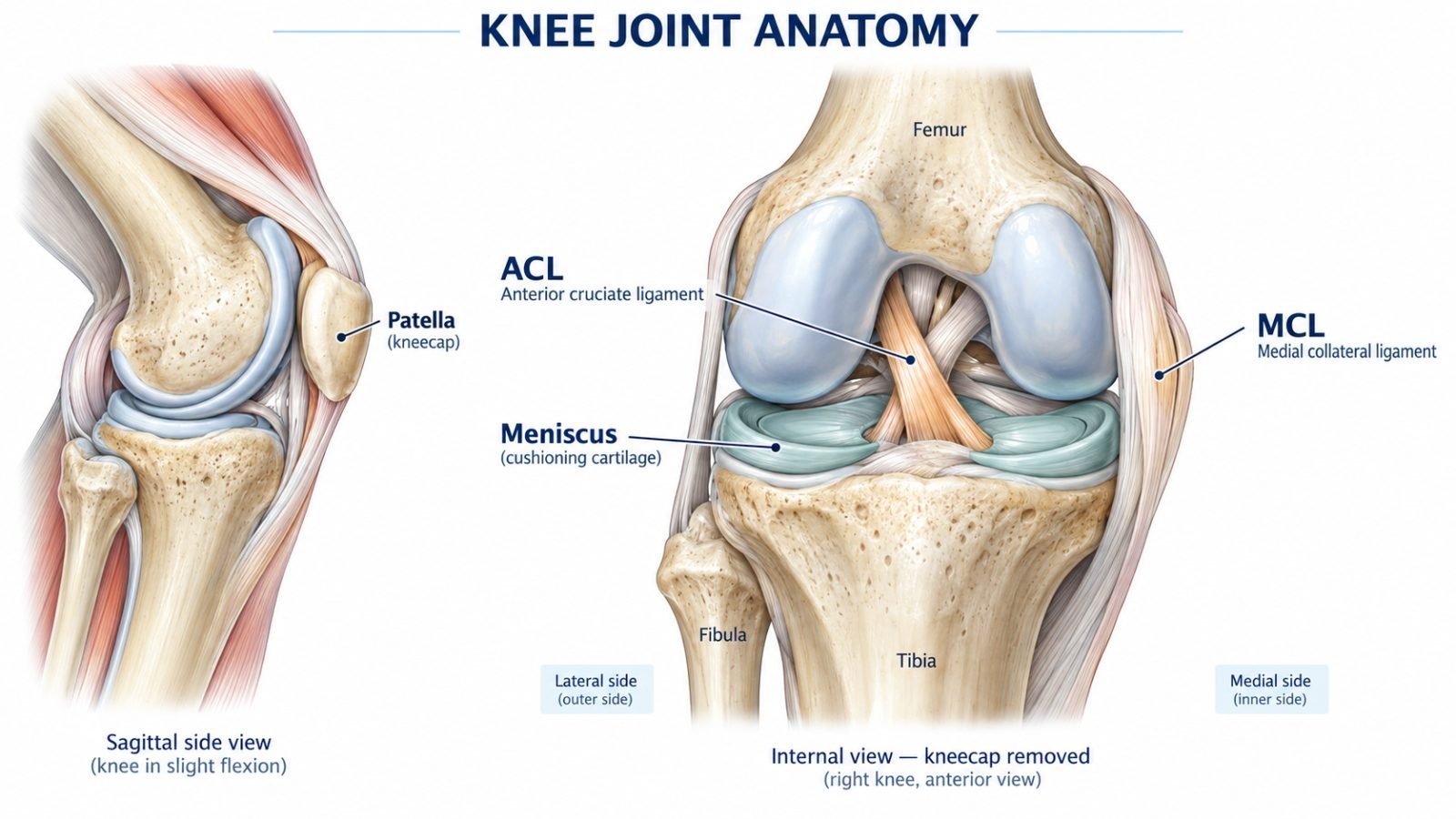
Here are the major reasons young adults experience knee pain and what can be done about it:
1. Sedentary Lifestyle and Poor Posture (The Clinical Reality)Ironically, a lack of movement can be just as damaging as overtraining. Long hours spent sitting at a desk weaken the quadriceps and glutes—the muscles that stabilize the knee.
The Clinical Fact: Research published in the Indian Journal of Rheumatology found that over 33% of big-city residents had early signs of primary knee joint issues, with a sedentary lifestyle identified as a key contributing factor. When you sit for 8 to 10 hours a day, the surrounding muscles weaken, forcing the knee joint to absorb direct pressure with every step once you finally do move.
2. Overuse and "The Gym Problem"A sudden increase in workout intensity, like jumping into heavy leg presses or high-intensity interval training (HIIT) without proper form, doesn't give the knee structures enough time to adapt. Repetitive stress can lead to tendinitis or micro-damage to the cartilage, which heals very slowly due to limited blood supply.
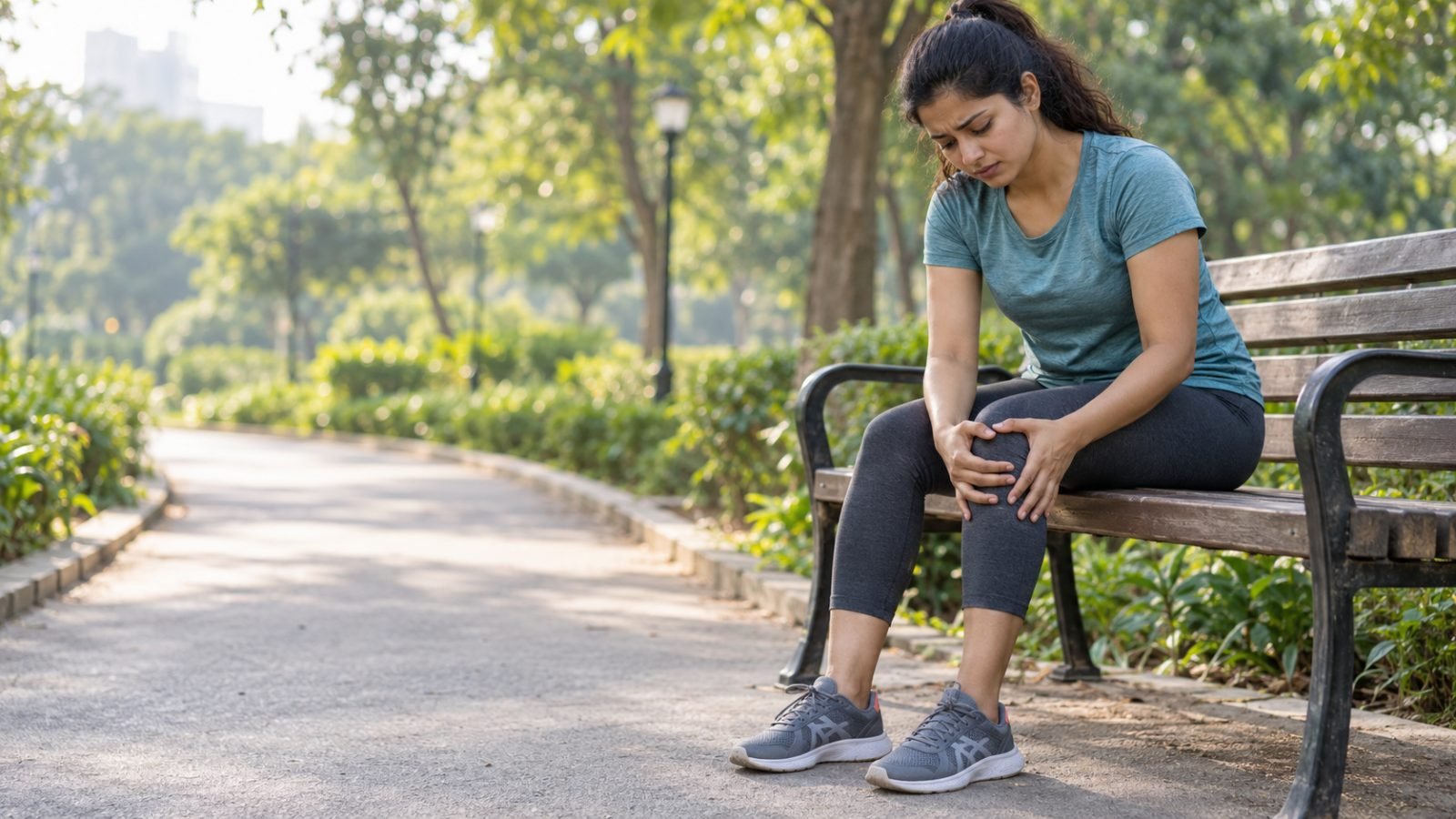
3. Patellofemoral Pain Syndrome (Runner’s Knee)This condition causes a dull, aching pain around and under the kneecap. It often happens due to muscular imbalances that cause the kneecap to track improperly over the femur during movement. Young adults typically feel this pain when climbing stairs, squatting, or sitting with bent knees for long periods.
4. Sports InjuriesHigh-impact sports that involve sudden stops, jumping, and pivoting (like football, badminton, or basketball) place immense strain on the knee. Acute injuries often involve:
- ACL Tears: Caused by sudden twists or rapid changes in direction.
- Meniscus Tears: Damage to the shock-absorbing cartilage, often resulting in a clicking sound or the joint "locking".
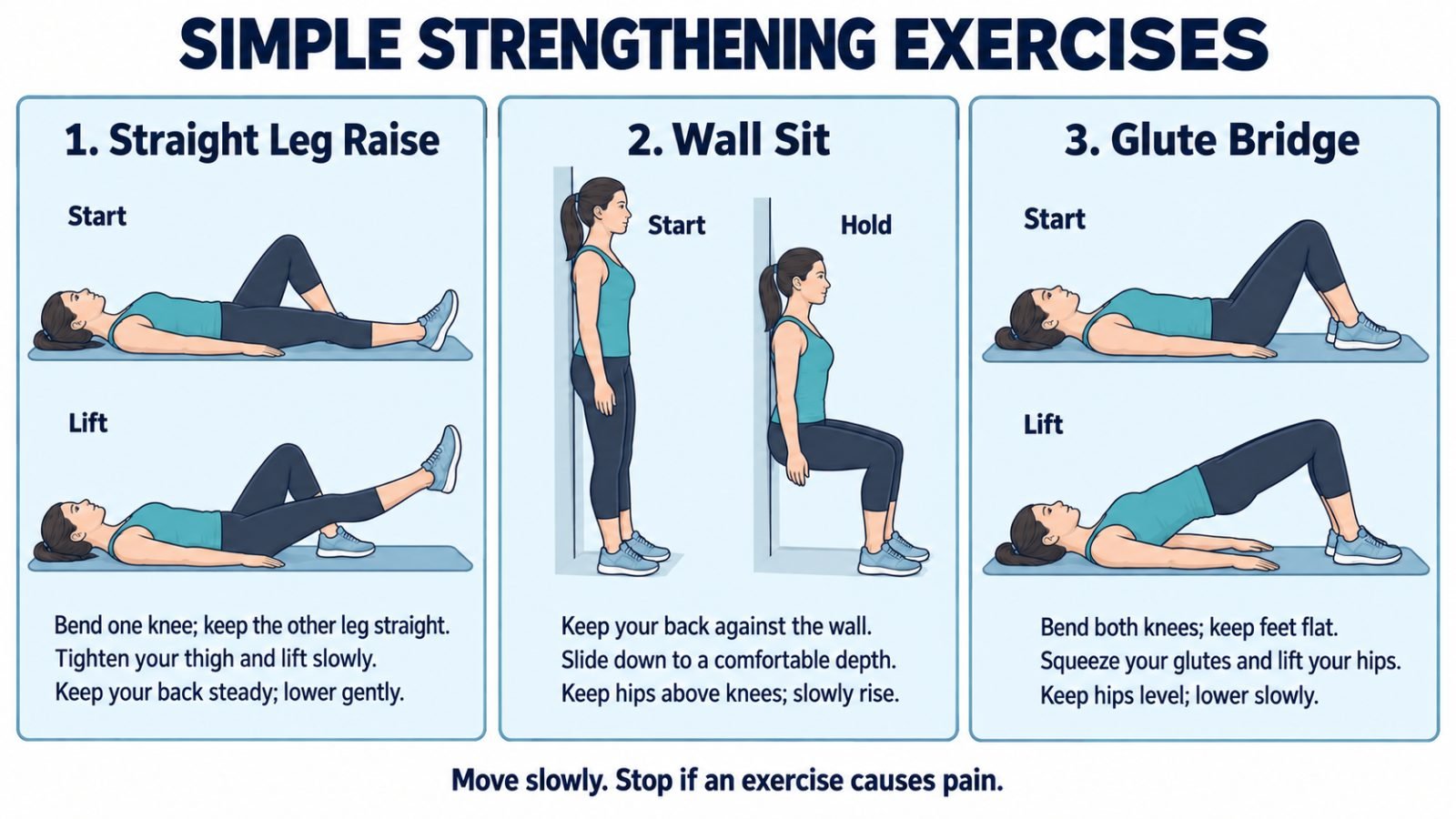
The Best Defense: Strengthening ExercisesDr. Karmakar emphasizes that the knee joint doesn't operate in isolation. It relies entirely on the quadriceps, hamstrings, and glutes for stability. Incorporating targeted exercises can significantly reduce your risk:
- Straight Leg Raises: Strengthens the quadriceps without bending the knee joint.
- Wall Sits: Builds endurance in the quads and glutes to keep the kneecap tracking properly.
- Glute Bridges: Strengthens the posterior chain to provide better backward stability for the knee.
 When Should You See an Expert?While mild knee soreness after a new workout might resolve with rest and ice, persistent pain should not be ignored. You should seek a professional orthopaedic evaluation if you experience visible swelling, a feeling of instability, pain that limits daily activities, or a grinding/popping sensation. Early diagnosis is key to preventing minor issues from becoming chronic conditions.
Don't let knee pain slow you down.For an accurate diagnosis and personalized treatment plan, schedule a consultation with Dr. Tanmoy Karmakar.
📍 Consultation Locations: Manipal Hospitals Broadway (Salt Lake) | JMD Diagnostics (Phool Bagan)
📞 Call to book: +91 91635 21603
🌐 Visit: orthodrtanmoy.in
Frequently Asked Questions
1. Is it normal for my knees to pop and crack when I squat or take the stairs?Occasional popping or crunching sounds (known as crepitus) without any pain are usually harmless. It is often just trapped gas bubbles releasing from the joint fluid or tendons snapping over the bone. However, if the popping is accompanied by pain, swelling, or a feeling that the knee is "catching" or locking, it could indicate a meniscus tear or cartilage damage and should be evaluated by a specialist.
2. Should I stop working out entirely if my knee hurts?"Pushing through the pain" is never recommended and can turn a minor strain into a severe injury. If you experience sharp pain, swelling, or joint instability, you should stop high-impact activities immediately. However, you don't need to stay completely sedentary. Switch to low-impact exercises that don't stress the joint, such as swimming or using a stationary bicycle, while you rest and seek a diagnosis.
3. Will I need surgery for my knee pain?In most cases, no. The vast majority of knee pain in young adults can be successfully treated with conservative measures like targeted physical therapy, rest, anti-inflammatory medication, and lifestyle modifications. Dr. Karmakar typically reserves surgical options—such as minimally invasive arthroscopy—for acute structural damage, like a torn ACL or a severe meniscus tear that will not heal on its own.
The information on this website is provided for general education and does not constitute medical advice, diagnosis or treatment. It is not a substitute for a consultation with a qualified doctor. Outcomes described in patient stories are individual experiences and are not a guarantee of results. If you are experiencing a medical emergency, go to your nearest emergency department.