Expert Orthopaedic Guidance by Dr. Tanmoy Karmakar – Manipal Hospitals Broadway, Salt Lake, Kolkata
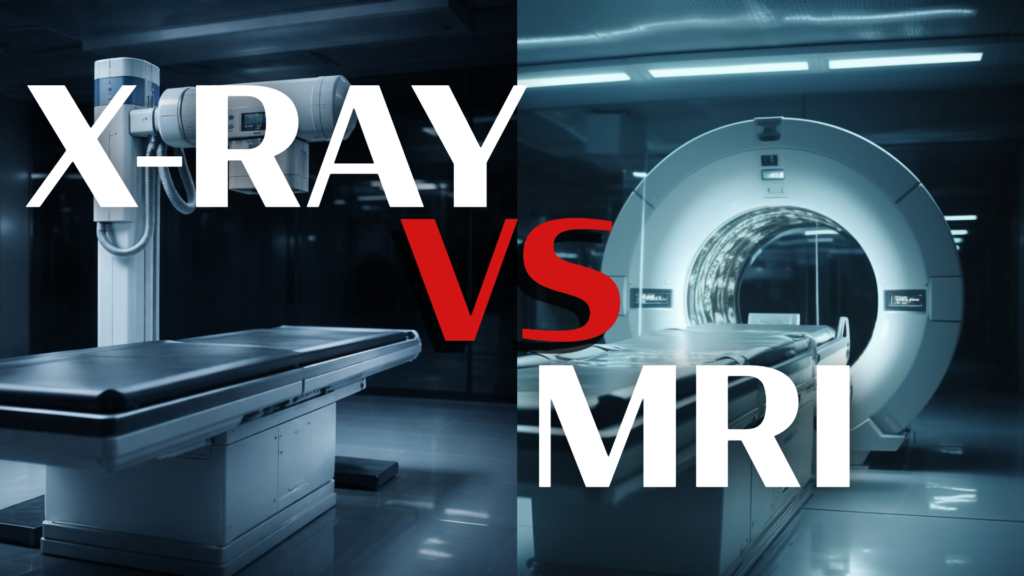
When patients experience joint pain, knee injury, back pain, or trauma after an accident, one of the most common questions asked is: Should I do an X-ray or an MRI?
Many people assume MRI is always better because it is more advanced. However, in orthopaedic practice, the choice between an X-ray and MRI depends entirely on the clinical condition and the type of tissue being evaluated.
As an experienced Orthopaedic & Joint Replacement Surgeon in Kolkata, Dr. Tanmoy Karmakar at Manipal Hospitals Broadway, Salt Lake often explains that choosing the right investigation is the first step toward accurate diagnosis and effective treatment.
This guide will help you understand the difference between X-ray and MRI from an orthopaedic perspective and when each is recommended.
Understanding X-Ray in Orthopaedics
An X-ray is a fast and widely used imaging technique that uses low-dose radiation to create images of bones and joints. It is usually the first-line investigation advised by orthopaedic surgeons in Kolkata and worldwide.
Why Orthopaedic Doctors Prefer X-Ray First
In most orthopaedic cases, especially trauma or chronic joint pain, an X-ray provides immediate clarity regarding bone health.
Conditions Where X-Ray Is Recommended
At Manipal Hospitals Broadway, Salt Lake, X-rays are commonly advised for:
- Bone fractures after falls or accidents
- Joint dislocations
- Arthritis assessment (knee, hip, shoulder)
- Alignment issues and deformities
- Post-surgical implant checks (knee replacement, plates, screws)
- Bone infections or structural abnormalities
For example, patients visiting Dr. Tanmoy Karmakar for knee pain or injury often undergo an X-ray first to assess joint alignment and bone condition before further planning.
Advantages of X-Ray
- Quick procedure (5–10 minutes)
- Cost-effective imaging
- Easily available across Kolkata
- Excellent for detecting bone injuries
- Helpful for emergency evaluation
Because of these benefits, X-ray remains the gold standard initial test for most orthopaedic evaluations.
Understanding MRI in Orthopaedics
MRI (Magnetic Resonance Imaging) uses magnetic fields and radio waves to produce highly detailed images of soft tissues. Unlike X-rays, MRI does not use radiation.
Orthopaedic surgeons recommend MRI when they need to examine structures that cannot be seen clearly on X-rays.
Conditions Where MRI Is Recommended
Dr. Tanmoy Karmakar may advise MRI when patients present with:
- Ligament injuries (ACL, PCL, MCL tears)
- Meniscus damage in the knee
- Cartilage injuries
- Slip disc or spine problems
- Nerve compression causing radiating pain
- Muscle or tendon injuries
- Persistent pain despite normal X-ray
MRI is especially valuable in sports injuries and young active patients where soft tissue damage is suspected.
X-Ray vs MRI: Orthopaedic Comparison
| Condition | X-Ray | MRI |
|---|---|---|
| Bone fracture | Yes | Rarely needed |
| Ligament tear | No | Yes |
| Arthritis | Yes | Sometimes |
| Slip disc | No | Yes |
| Implant check | Yes | Not required |
This comparison highlights a key principle followed by orthopaedic specialists in Kolkata:
X-ray evaluates bones, MRI evaluates soft tissues.
Why MRI Is Not Always Needed
Many patients visiting orthopaedic clinics in Salt Lake or Kolkata ask for MRI directly. However, MRI is not always necessary.
From a clinical perspective:
- MRI is more expensive
- Takes longer time
- May show incidental findings that do not need treatment
- Should be done only when clinically indicated
Orthopaedic surgeons like Dr. Tanmoy Karmakar follow a stepwise approach:
- Clinical examination
- X-ray evaluation
- MRI only if deeper assessment is required
This approach ensures accurate diagnosis while avoiding unnecessary investigations.
Real Orthopaedic Scenarios
Knee Injury After Sports Activity
If a patient twists the knee and experiences swelling:
- X-ray → checks for fracture
- MRI → confirms ligament or meniscus tear
Chronic Knee Pain in Older Adults
Patients with long-standing pain usually undergo:
- X-ray → to evaluate arthritis and joint space narrowing
- MRI → only if symptoms do not match X-ray findings
Back Pain or Slip Disc Symptoms
X-rays may show spinal alignment, but:
- MRI is required to evaluate disc bulge and nerve compression
Role of Imaging in Joint Replacement Planning
As a specialist in Joint Replacement Surgery in Kolkata, Dr. Tanmoy Karmakar uses imaging strategically.
- X-rays help assess severity of arthritis and bone deformity before knee replacement.
- MRI is rarely needed unless additional soft tissue issues are suspected.
This ensures patients receive precise treatment planning at Manipal Hospitals Broadway.
When Should You Consult an Orthopaedic Surgeon in Kolkata?
Seek expert evaluation if you experience:
- Persistent knee or joint pain
- Swelling after injury
- Difficulty walking
- Locking or instability of joints
- Back pain radiating to legs
- Sports-related injuries
- Pain after previous surgery
Early diagnosis often prevents complications and helps avoid unnecessary surgery.
Why Choose Dr. Tanmoy Karmakar at Manipal Hospitals Broadway, Salt Lake?
Patients looking for an orthopaedic doctor in Salt Lake Kolkata choose Dr. Tanmoy Karmakar for:
- Expertise in Orthopaedics & Joint Replacement
- Advanced evaluation of sports injuries
- Evidence-based imaging decisions
- Patient-focused treatment planning
- Modern orthopaedic care at Manipal Hospitals Broadway
His approach combines clinical examination with appropriate imaging, ensuring accurate diagnosis without over-investigation.
Final Takeaway: X-Ray vs MRI in Orthopaedics
Understanding the difference between X-ray and MRI helps patients make informed decisions.
X-ray is best for bones, fractures, arthritis, and implant evaluation.
MRI is best for ligaments, cartilage, spine problems, and soft tissue injuries.
The right investigation depends on your symptoms and clinical examination — not just technology.
If you are experiencing joint pain or injury and want expert guidance, consult Dr. Tanmoy Karmakar, Orthopaedic & Joint Replacement Surgeon at Manipal Hospitals Broadway, Salt Lake, Kolkata, for accurate diagnosis and personalised treatment.