By Dr. Tanmoy Karmakar | Senior Consultant – Orthopaedics | Manipal Hospital Broadway, Kolkata
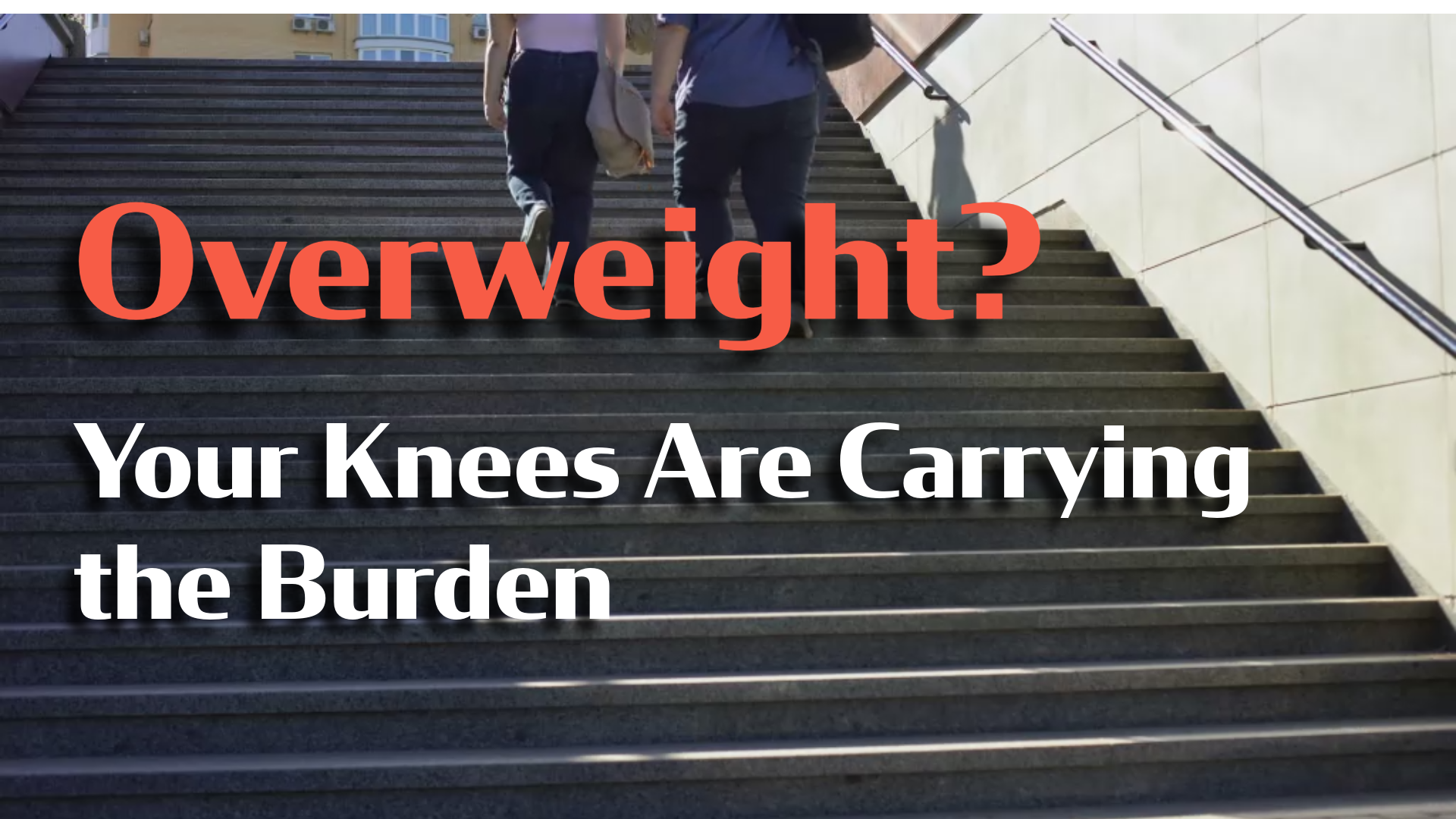
Knee pain is no longer limited to older adults. Increasingly, patients in their 40s and 50s are experiencing early joint degeneration — and one major contributing factor is obesity. Excess body weight places significant mechanical stress on the knee joint, accelerating cartilage wear and increasing the risk of osteoarthritis.
If you are experiencing knee discomfort and have excess weight, understanding this connection is essential.
How Obesity Affects the Knee Joint
The knee is a primary weight-bearing joint. It absorbs force every time you stand, walk, run, or climb stairs.
Increased Mechanical Load on the Knee
Research shows that for every 1 kg of excess body weight, the knee experiences approximately 3–4 kg of additional pressure during movement. Over time, this repetitive stress leads to:
- Cartilage thinning
- Joint space narrowing
- Inflammation
- Bone spurs
- Chronic knee pain
This explains why overweight individuals often develop knee arthritis earlier than expected.
The Role of Inflammation in Obesity-Related Knee Damage
Obesity does not only increase mechanical load — it also contributes to metabolic inflammation.
Fat tissue produces inflammatory substances that:
- Accelerate cartilage breakdown
- Increase joint swelling
- Slow tissue repair
This combination of mechanical stress and inflammation speeds up joint degeneration.
Early Symptoms of Knee Damage You Should Not Ignore
Knee osteoarthritis develops gradually. Early diagnosis can prevent progression.
Common Warning Signs:
- Pain while climbing stairs
- Stiffness after prolonged sitting
- Swelling around the knee
- Grinding or clicking sensation
- Difficulty squatting
- Reduced walking tolerance
If these symptoms persist, early orthopaedic consultation is recommended.
Can Knee Damage Be Reversed?
Advanced cartilage loss cannot be fully reversed. However, early-stage damage can be slowed significantly with timely intervention.
Key Strategies to Protect Your Knees
1. Weight Reduction
Even a 5–10% reduction in body weight can decrease joint stress and improve symptoms.
2. Regular Low-Impact Exercise
Activities such as brisk walking, cycling, and strengthening exercises help support the knee by improving muscle stability.
3. Balanced Diet
A healthy diet helps control weight and reduces systemic inflammation.
Lifestyle modification is often the first and most effective line of treatment.
When to Consult an Orthopaedic Specialist
If knee pain persists despite lifestyle changes, medical evaluation is essential. Assessment typically includes:
- Clinical examination
- Imaging (X-ray or MRI if required)
- Evaluation of joint alignment
- Muscle strength assessment
Depending on severity, treatment options may include:
- Physiotherapy
- Medications
- Injections
- Joint preservation procedures
- Knee replacement surgery (in advanced cases)
Early consultation can delay or even prevent the need for surgery.
Who Is at Higher Risk of Accelerated Knee Damage?
You may be at increased risk if you:
- Have a high BMI
- Lead a sedentary lifestyle
- Sit for long working hours
- Have diabetes along with obesity
- Have a previous knee injury
Preventive screening and early intervention are advisable for high-risk individuals.
Why Early Diagnosis Matters
Delaying evaluation allows cartilage damage to progress. Early diagnosis helps:
- Control pain effectively
- Slow arthritis progression
- Improve mobility
- Maintain long-term joint function
Addressing symptoms early improves overall outcomes and quality of life.
Knee Pain Treatment in Kolkata – When to Seek Help
If you are experiencing persistent knee pain, stiffness, or swelling — particularly with excess body weight — professional evaluation is recommended.
Dr. Tanmoy Karmakar
Senior Consultant – Orthopaedics
Timely care can protect your knees and help maintain an active lifestyle.